Advergames, what they are and what they are used for
What an advergame is, how a game-based campaign works and how it differs from gamification and serious games. A guide from the people who build them.
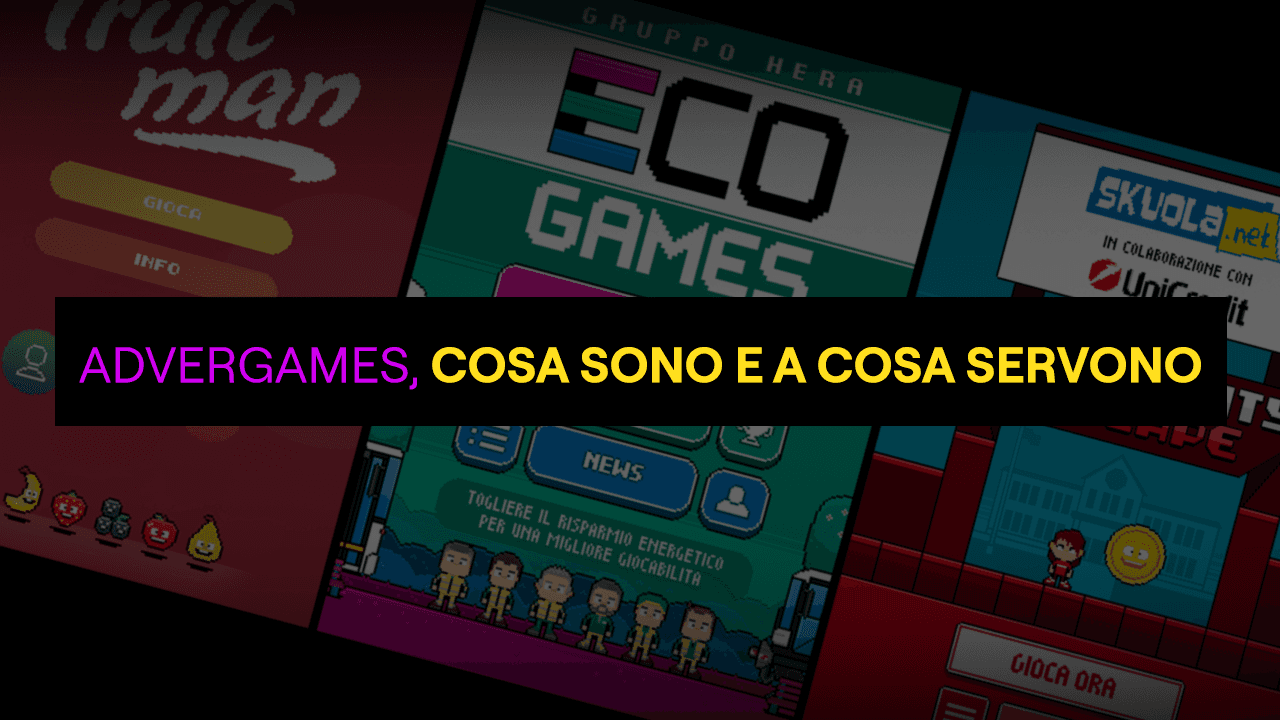
An advergame is a web video game designed around a brand to achieve a marketing goal: to raise awareness of a product, collect leads, or keep people on the brand's channel longer than a standard piece of content would. The word comes from the fusion of advertising and game: the game is the campaign. Complete definitions of the formats are in the gamification guide for businesses.
How it works in practice
It opens from a link or a QR code, runs in the smartphone browser, and requires no downloads. The user arrives from the brand's channel (social media, packaging, a stand), plays a game lasting a few minutes, and in the process completes the actions that interest the campaign: leaves a contact to enter the ranking, discovers a product within the game mechanics, shares their score, or redeems a prize or discount code.
For the brand, the benefit is twofold. The first is time: a game keeps the person engaged with the brand for minutes, whereas an ad has only a few seconds to say everything. The second is measurability: every game produces data (unique players, play time, contacts collected, return rate) that tells you precisely how the campaign is performing.
Advergame, gamification, or serious game: which one do you need
The three terms are often confused, and confusing them leads to asking the supplier for the wrong thing. In one line each: gamification applies game dynamics to an activity that is not a game (a point-based loyalty program, a leaderboard among sales staff); an advergame is an actual video game built around a brand for a marketing purpose; a serious game is a game designed to train or raise awareness, not to sell.
The rule of thumb to guide you: if the goal is marketing, you are looking for an advergame; if it is training or awareness, a serious game; if you want to add game dynamics to an existing process (an app, a loyalty program, an HR path), you are talking about gamification in a broad sense.
When an advergame is the right choice
An advergame delivers when there is an audience to actively engage and a measurable goal: a product launch, a seasonal campaign, collecting qualified leads, or animating an exhibition stand. When you only need pure coverage — being seen by as many people as possible at the lowest cost — a classic ad remains more efficient. The game wins where contact quality, brand recall, and time spent with the brand matter.
We have chosen three very different examples of advergames to show you how this type of video game is suitable for different types of target audiences:
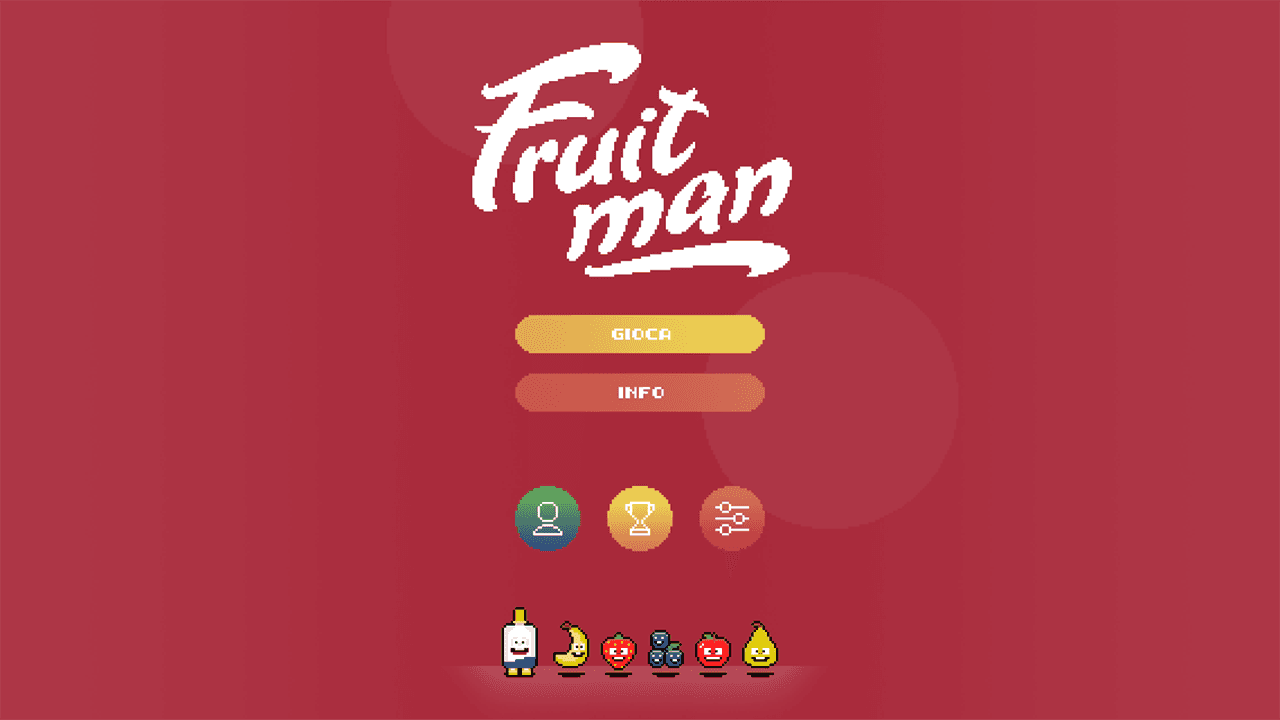
“Fruit Man”, when the target audience is children and mothers
“Fruit Man” is an advergame developed by Dinobros that was part of a product launch strategy for Frullà, fresh fruit juices to be consumed as a healthy and balanced snack.
We discussed the communication strategy linked to “Fruit Man” in detail in a dedicated article, but here we want to get into practical details by listing the features of this advergame and how it was integrated into the communication campaign.
Advergame: “Fruit Man”, where the product packaging in pixel art becomes the protagonist of a journey through a labyrinth where they must collect fresh fruit and escape from junk food.
Target: children, the final consumers of the product, and parents, those who purchase the product. The pixel art layout gives the video game a vintage vibe that appeals to parents, while the simple mechanics of the video game win over the little ones.
Communication: the video game was associated with a prize contest and was promoted throughout the launch period of the new product.
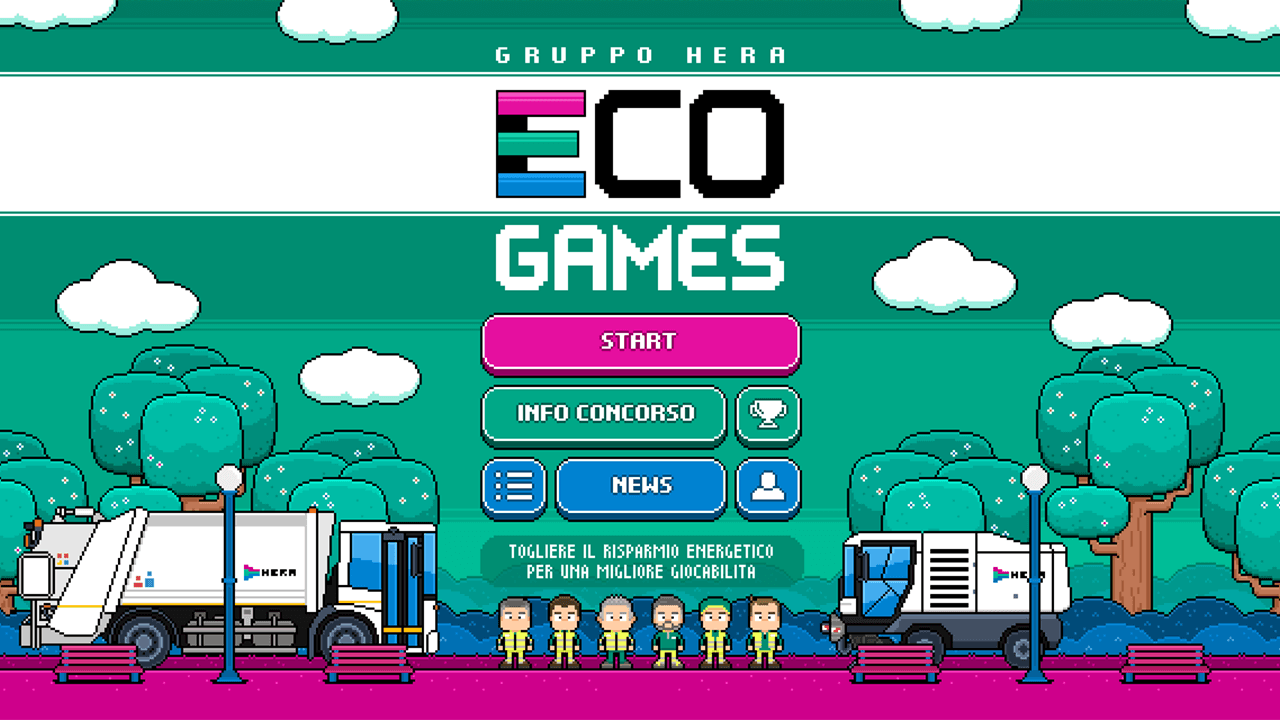
“Eco Games”, when the goal is to educate everyone about recycling
The “Eco Games” created for the Hera Group are part of a project where the advergame is the planet around which the entire communication campaign revolves. This advergame is part of an environmental awareness project that involved several cities; we discussed it in detail in the sheet dedicated to the “Eco Games” advergame.
Advergame: Three mini-games where users play and learn how to sort waste correctly.
Target: men and women aged 18-35. Young people learn to sort waste while playing, and adults who deal with the necessity and duty of correct waste sorting daily discover a fun way to recycle.
Communication: The “Eco Games” were part of a broad communication project that featured dynamic advertising, with personalized vehicles, a prize contest, events, cardboard cutouts, and gadgets designed in line with the video game's graphics.
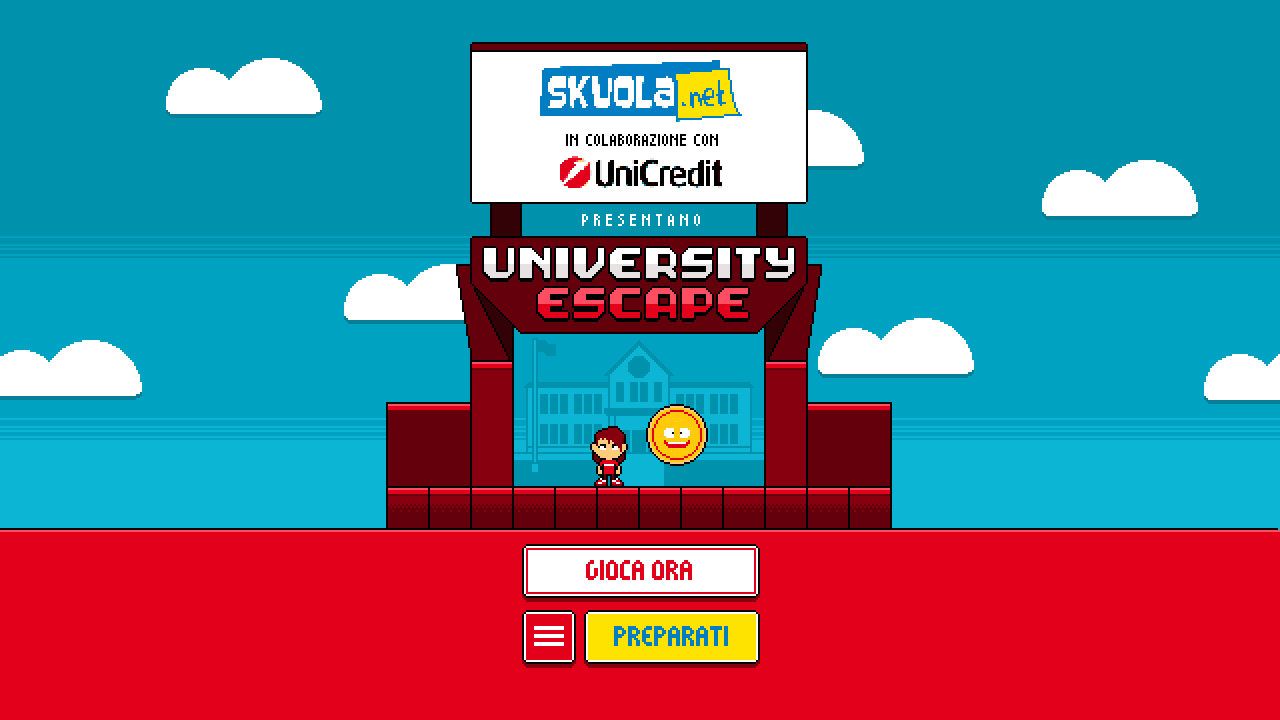
“University Escape”, educating young people and adults on financial topics
So, we have seen an advergame linked to a commercial brand used for a product launch and associated with a prize contest, and then an advergame where the goal of environmental education goes hand in hand with brand awareness.
Last but not least, the “University Escape” advergame created for the Skuola.net portal and Unicredit, which we discussed in detail in a dedicated article, designed as part of a financial education project. Let's look at the details.
Advergame: a video game featuring Unicredit's colors, a platform game where the player chooses their character, must collect coins, and answer financial questions to progress through the levels.
Target: university students as the primary target and all student users of the Skuola.net portal as the secondary target.
Communication: The advergame was published directly on the client's portal, created to support a financial education project. In this case, the coverage for the launch of the video game was purely editorial; in fact, it received excellent press coverage during the launch phase.
The three case studies show how advergames are customizable video games based on the client's needs and what they want to communicate.
Where to start
There are two paths. A ready-to-go game to be customized with the brand's graphics, when speed and budget matter; or a tailor-made advergame, designed from scratch around the brand, when the experience needs to be unique. The choice depends on the campaign goal and the context in which the game will live. To understand which format suits your case, visit the page on branded games.
Frequently Asked Questions
Do I need to download an app to play an advergame?
No. Modern advergames are web-based games: they open in the smartphone's browser via a link or QR code, without installing anything. This lowers the barrier to entry and increases the number of people who actually play.
How long does an advergame campaign last?
It depends on the goal: a game for an event lives for the duration of the event, a game linked to a product launch stays online for weeks or months, and a game within a loyalty program can last for years and be updated seasonally.
Do advergames only work for consumer brands?
No. They work anywhere there is an audience to engage: B2B companies and institutions also use them for events, trade shows, training, and internal communication.